
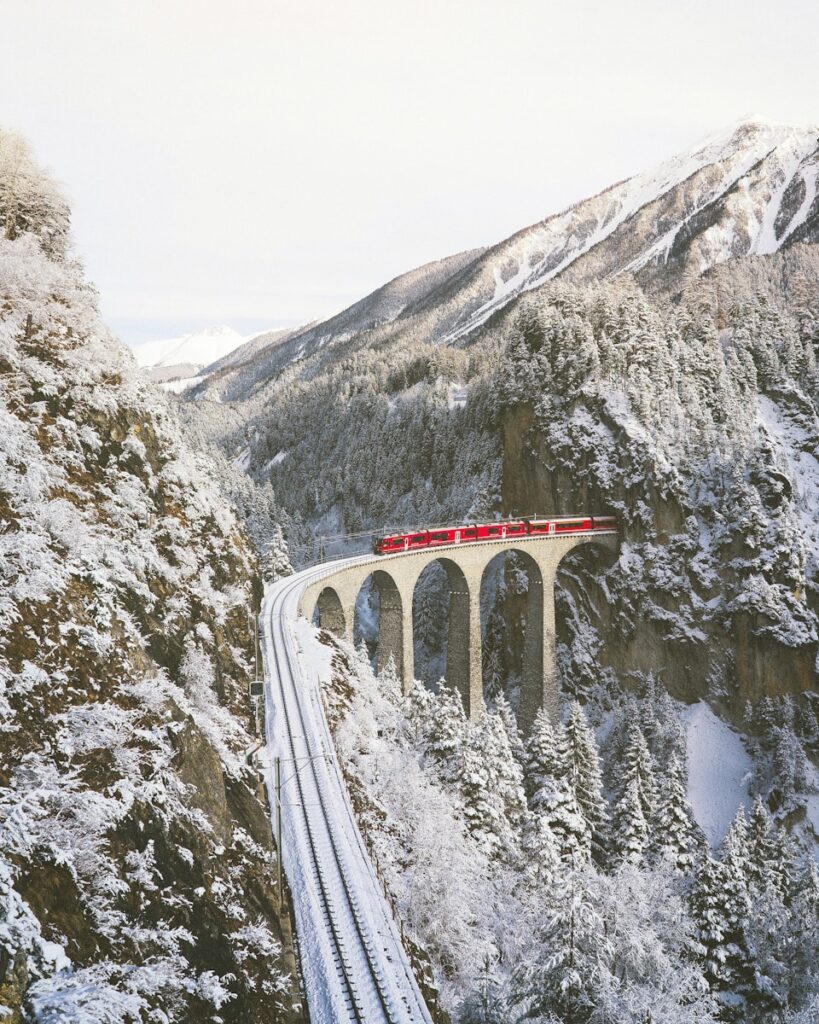
Switzerland, renowned for its breathtaking landscapes and high-quality lifestyle, is an attractive destination for many looking to start a new chapter. This guide aims to help you navigate the main aspects of relocating to Switzerland, with a focus on finding accommodation, securing a job, and understanding the necessary formalities involved.
Finding accommodation
1. Understanding the Market
The housing market in Switzerland can be challenging, especially in major cities like Zurich, Geneva, and Basel, where demand usually exceeds supply. Prices are typically higher than the European average, reflecting the country’s high standard of living.
2. Finding Accommodation
- Consider temporary accommodation: being new in Switzerland (or if you’re searching for housing before actually moving to Switzerland) means the potential landlords can’t get reliable references and will likely opt for another tenant. Some employers offer temporary lodging or some assistance.
- Search for rental properties: utilise online platforms such as Comparis or Homegate to explore available listings.
- Contact the announcer: when you contact the announcer they will set up an appointment to visit the property. This appointment before applying for tenancy is not optional.
- Visit the property: Remember – don’t be late for the appointment!
- Application: you usually need to fill in an application form (some landlords ask for an application letter, but very rarely). Read the form carefully, namely to check if there’s a penalty clause.
- Documentation: to the application you’ll have to attach a copy of your ID (if possible, residence permit), a debt enforcement registry extract (Betreibungsregisterauszug), and possibly a copy of your employment contract and of your last few payment slips.
- References: the agency might call your employer or previous landlord for references.
- Rental agreement:
- Security Deposit: Typically, the deposit is three months’ rent.
- Deposit insurance: If you don’t want to have that amount of money blocked, you can get a deposit insurance instead (if the landlord agrees) and just pay a yearly fee: https://www.swisscaution.ch/en/
- Lease Agreement: Read through all terms carefully before signing.
Finding a Job
Securing employment in Switzerland can be as rewarding as it is challenging. The country boasts a strong economy and low unemployment rates but entering the job market requires diligence.
1. Work Permit Considerations
Before embarking on your job hunt, it’s crucial to understand the type of work permit you’ll need. The permit requirements differ significantly based on your nationality:
- EU/EFTA Nationals: Benefit from the freedom of movement, requiring only to register upon employment.
- Non-EU Nationals: Face stricter regulations and quotas. Employers must demonstrate a lack of suitable Swiss, EU, or EFTA candidates before hiring you.
2. Job Search
The best search strategy depends a lot on the area you’d like to work in. There are also specific recruitment agencies and websites for certain branches.
- Job Portals and Recruitment Agencies: Websites such as Jobs.ch, indeed.ch, or the national employment office site, as well as hiring agencies, can be instrumental in finding opportunities.
- CV and Cover Letter: Tailor these documents to each application and use a swiss template (DE/FR/IT). Include a professional photo.
Formalities
1. Visa and Permits
- Entry Visa: Depending on your nationality (non Schengen), a visa might be necessary to enter Switzerland. Check here.
- Residence Permit: You must register at your local communal to obtain a residence permit. Often the employer does this for you, but not always.
2. Health Insurance
Switzerland mandates basic health insurance for all residents. You will have to be insured from the day you register your residence, so if you get your insurance later (within 3 months), you’ll have to pay for late fees.
It’s advisable to compare different providers, considering both coverage and premium costs (depending on where you live): https://en.comparis.ch/krankenkassen/default
3. Banking
Opening a local bank account aids in managing your finances in Switzerland and is necessary to receive your salary. Usually all you need is an ID and you can even open an account online.
4. Social Security
Contributions to Switzerland’s social security system are compulsory. If you’re employed the contributions will be deducted from your salary.
5. Communication Set-Up
You can easily order a SIM-card online to have a swiss phone number and internet on your phone. There are some operators that offer packages for expats (yallo, lebara, etc)
6. Driving licence
Once you have a residence permit in Switzerland (B) or if you’re staying more than 6 months in Switzerland, you will need to get a swiss driving licence. The procedure to get one will depend on your country of origin.
7. Transferring your family to Switzerland
Moving as a whole family at once could be very challenging, namely considering how difficult it may be to find accommodation. It can be a lot easier to have the family join you once you’re settled. Family reunification is also considered in the swiss law to simplify the formalities.
Embracing Swiss Life
Assimilating into Swiss society involves more than understanding bureaucracy; it’s about embracing the culture:
1. Language and Integration
Taking language courses, even if not immediately essential for work, can enhance your integration into local communities and improve social opportunities.
2. Cultural Norms
Switzerland values punctuality, orderliness, and privacy. Understanding and respecting these cultural traits can aid in smoother social interactions.
3. Leisure and Lifestyle
Switzerland is famous for outdoor activities, from skiing in the Alps to exploring the numerous hiking trails. Additionally, the cities offer rich cultural scenes, including museums, theatres, and culinary delights.
Conclusion
Relocating to Switzerland is an adventure filled with opportunities and challenges. Embrace the unique lifestyle and cultural experiences awaiting you in Switzerland, and you’ll soon feel at home in this beautiful and vibrant country.
I’ll be talking about some of these subjects more in detail in other posts. You can also comment to ask any questions or make suggestions!


[…] I mentioned on my previous post, getting a residence permit in Switzerland has different rules, depending on factors such as your […]