
Like I mentioned on my previous post, getting a residence permit in Switzerland has different rules, depending on factors such as your country of origin. Navigating the Swiss immigration system can be complex, given its stringent requirements and diverse array of permits. This article aims to provide a comprehensive guide on the various permits required to live and work in Switzerland, focusing on immigration laws and the necessary requirements for residence permits.
Introduction to Swiss Immigration Law
Switzerland’s immigration system is governed by federal law (Ausländergesetz), although some different rules apply to the EU citizens (Freizügigkeitsabkommen). These laws delineate the rights and responsibilities of foreigners in Switzerland and establish criteria for granting residence and work permits. Due to its federal structure, the implementation of these laws can also vary slightly across the country’s 26 cantons, as each canton has the authority to manage its own immigration regulations within the provided framework.
Types of Permits
Switzerland categorises its residence permits into several types, designed to meet the varied circumstances of foreign nationals. These permits include short-term stay permits, non-permanent and permanent residence permits, each suited to different needs and qualification criteria.
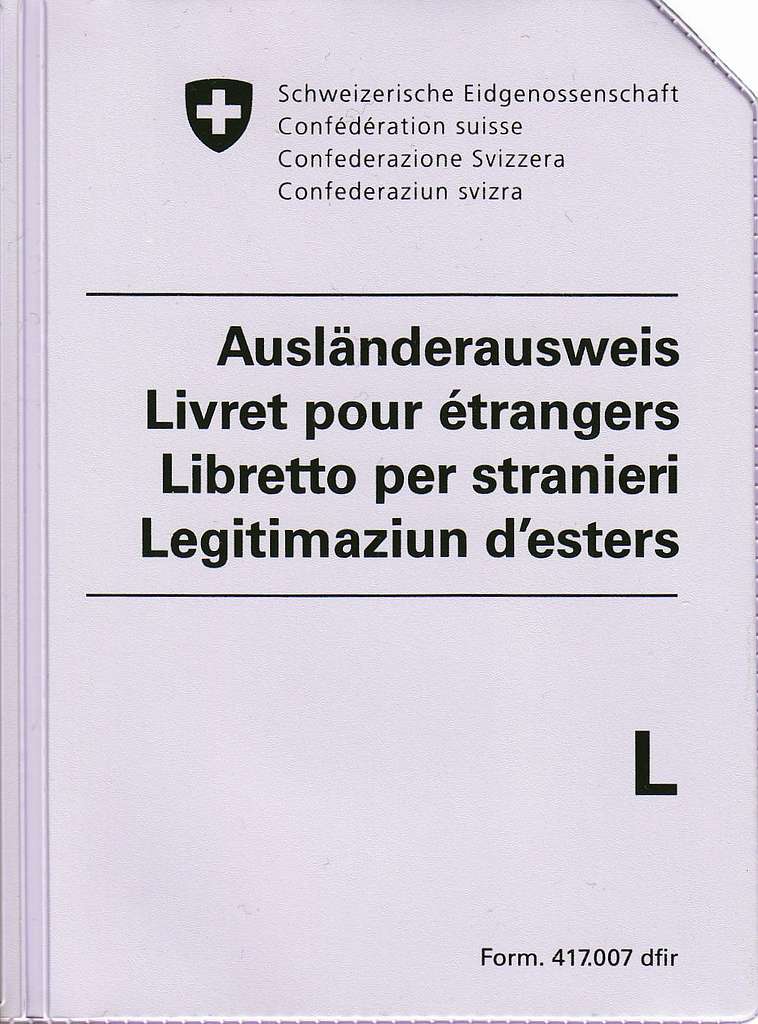
1. Permit L – Short-Term Residence Permit
The Permit L is typically granted for short-term employment or residence purposes lasting less than a year. It is suitable for individuals with temporary employment contracts or for those staying in Switzerland for limited periods. This permit is usually linked to employment, and its validity is contingent upon the employment contract duration, capped at a maximum of 12 months. Extensions are possible, but they are typically restricted to a total stay of no more than 24 months.
2. Permit B – Initial or Temporary Residence Permit
The Permit B is more versatile and is issued to individuals intending to stay in Switzerland for an extended period, at least 1 up to 5 years. Permit B holders can reside in Switzerland either for employment, study, family reunification, or retirement. This permit can be renewed, and while it typically requires an employment or study contract, it does offer a more stable residential status than Permit L.
3. Permit C – Permanent Residence Permit
This permit is granted to foreigners who have resided in Switzerland for a fixed period, usually at least five (EU/EFTA-citizens) to ten years (non-EU), depending on the nationality and integration level (most cantons now have integration requirements such as language knowledge to get this permit).
Permit C offers more rights comparable to those of Swiss citizens, allowing holders to change jobs and place of residence freely without additional administrative hurdles.
4. Permit G – Cross-Border Commuter Permit
The Permit G is suitable for individuals residing in neighbouring countries but commuting to Switzerland for work. Valid for five years, subject to the continuation of employment, this permit requires the holder to return to their home country at least once a week.
4. Permit N, F and S – Permit for asylum seekers and refugees
These permits are for very specific situations and subject to different laws, regulations and restrictions. Since they are not related to actually “moving to Switzerland”, I won’t get into the specifics.
Requirements for Obtaining Residence Permits
Obtaining a residence permit in Switzerland involves fulfilling several criteria that vary according to the permit type and nationality of the applicant. European Union (EU) and European Free Trade Association (EFTA) nationals generally experience a more streamlined process compared to non-EU/EFTA nationals due to bilateral agreements.
EU/EFTA citizens benefit from the Agreement on the Free Movement of Persons, allowing relatively easier access to Swiss residence and work permits. Here are the main requirements:
- Employment Contract: Proof of employment, such as an employment contract, is typically necessary for obtaining a B or L permit.
- Proof of Sufficient Financial Means: For non-employed individuals or retirees, proof of sufficient financial means to support oneself without public assistance is required.
- Health Insurance: Proof of adequate health insurance coverage is mandatory for all residents in Switzerland.
Non-EU/EFTA nationals face stricter regulations, as they can only be admitted under strict conditions and mainly if they possess specific professional qualifications. Key requirements include:
- Work Visa and Work Contract: Before applying for a work permit, non-EU/EFTA nationals generally need to secure a job offer in Switzerland.
- Quota System: The Swiss government sets yearly quotas limiting the number of permits available to non-EU/EFTA nationals, making the process highly competitive.
- High-Level Qualifications: Typically, applicants must demonstrate exceptional skills or qualifications, often linked to managerial or specialist roles.
- Language Skills and Integration: Evidence of undertaking measures towards cultural and linguistic integration into Swiss society might be necessary, particularly for long-term residence.
Side note:
Non-EU/EFTA citizens that have an EU-Permit are not considered EU/EFTA nationals. They are allowed to visit Switzerland without needing a Visa, but when applying for residence, only their nationality is relevant.
Application Process
The process for obtaining a residence permit in Switzerland usually involves several steps:
- Pre-Approval and Visa Application: Only necessary for non-EU/EFTA nationals.
Please notice that employers in Switzerland need to justify hiring a foreign national over a local candidate, and in order to hire a non-EU/EFTA citizen, they usually have to prove that there are no other equally qualified applicants available. That’s why high-level qualifications are a requirement. - Canton Application: After arriving in Switzerland, the permit application must be submitted asap (within 14 days) to the cantonal immigration office. This includes providing documentation such as a valid passport or ID (EU/EFTA), employment contract, and biometric data processing for certain permits.
- Decision and Permit Issuance: Once the cantonal authorities approve, the permit is issued. Approval may take several weeks or months, and continuous residence conditions and thorough reviews may apply.
- Changes to your permit: You MUST inform authorities of any changes. That includes new address, new employer or end of your contract. Not informing the authorities might result in some expensive penalties (this also applies to cross-border commuters, who have 5 year permits)
If you move to a different canton, you’ll have to submit a new application. - Renewal: Most cantons send you a letter giving you plenty of time to do the renewal procedures. After some time staying with a certain permit, they might decide that you have the requirements to get an “upgrade” (from L to B, from B to C)
Family Reunification
Switzerland allows foreign residents to bring close family members, under certain conditions. I will soon be writing about this procedure.
Job searching in Switzerland on unemployment fund
Although Switzerland is not a part of the EU, it does have many agreements with EU/EFTA countries. One of those agreements is the importation and exportation of unemployment funds (with the european form PD U1 and PD U2). This means, if you are unemployed in one country, you can go and search for work in another and still receive unemployment fund.
Challenges and Considerations
The Swiss permit system is designed to align immigration with Switzerland’s economic interests, ensuring the local labour market’s protection. This balancing act creates distinct challenges for applicants, particularly for non-EU/EFTA nationals encountering more stringent policies. It is advisable for prospective immigrants to engage with legal counsel or with Swiss immigration advice services to navigate these complex systems effectively. Since the cantons may have different requirements or interpretations of the law, it is best if you address local advice services.
One of the worst vicious circles in this whole process is that you need an employment contract to get a permit, while many employers won’t offer you a job unless you already have a permit. This is particularly true for non-EU/EFTA, since the employers have to justify their hiring decision.
I can’t get into much more detail than this, but feel free to comment, if you have something to add or to ask!
Conclusion
Understanding the intricacies of Switzerland’s immigration laws and the requirements for residence permits is crucial for anyone considering relocating to this Alpine nation. While the allure of living and working in Switzerland is potent, the path requires careful planning, patience, and compliance with stringent bureaucratic processes. By staying informed and prepared, prospective residents can maximise their chances for success in acquiring the necessary permits to begin their new lives in one of the world’s most vibrant and prosperous countries.


